A Beginner’s Guide to Buying Your First Home: Everything You Need to Know Before You Invest.
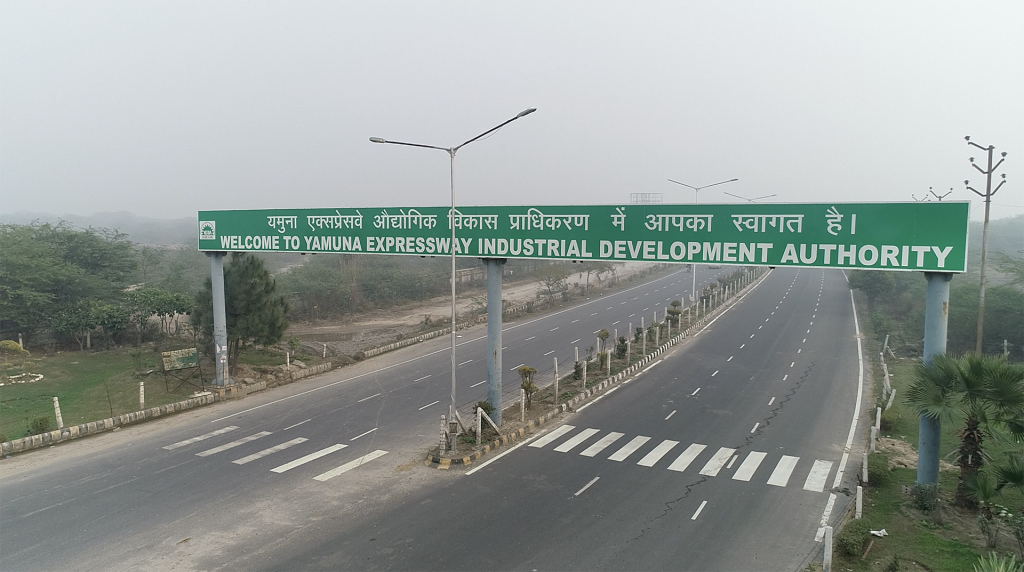
Buying your first home is one of the biggest financial decisions you’ll ever make. Whether you’re planning to purchase a home for your family or looking for a long-term investment, making the right choice requires careful planning and research. With the rapid development of infrastructure, improved connectivity, and increasing employment opportunities, locations like the Yamuna Expressway and Greater Noida have become popular destinations for first-time homebuyers.
This beginner’s guide will help you understand the home-buying process and make informed decisions while avoiding common mistakes.
1. Determine Your Budget
Before you start searching for your dream home, calculate how much you can comfortably afford. Consider your monthly income, savings, existing loans, and future financial goals. Apart from the property’s purchase price, you should also account for registration charges, stamp duty, GST (if applicable), maintenance charges, parking fees, and interior expenses.

Having a clear budget helps you shortlist suitable properties and prevents unnecessary financial stress later.
2. Choose the Right Location
Location is one of the most important factors in real estate. A well-connected area with future infrastructure development can significantly increase the value of your property over time.
While selecting a location, consider:
- Connectivity to major highways and metro stations
- Schools and colleges
- Hospitals
- Shopping malls and daily convenience stores
- Employment hubs
- Parks and recreational facilities
- Future infrastructure projects
The Yamuna Expressway has emerged as one of the fastest-growing real estate destinations due to excellent connectivity with Delhi NCR, the upcoming Noida International Airport, industrial developments, and planned commercial projects.
3. Decide the Type of Property
Your choice depends on your lifestyle, family size, and investment objectives.
Common options include:
- Apartments
- Independent Floors
- Villas
- Residential Plots
Apartments are ideal for families seeking security and modern amenities. Villas offer more privacy and space, while residential plots provide flexibility to build a customized home according to your preferences.
4. Verify Legal Documents
Never purchase a property without verifying its legal status.
Ensure that:
- The ownership title is clear.
- The property has all necessary approvals.
- There are no outstanding legal disputes.
- Taxes and dues have been paid.
- Registration documents are complete.
If you’re buying in a township or residential project, confirm that all approvals have been obtained from the relevant authorities.
5. Check Home Loan Eligibility
Most first-time buyers finance their purchase through a home loan.
Before applying:
- Compare interest rates from different banks.
- Check processing fees.
- Understand EMI options.
- Review prepayment charges.
- Calculate your monthly repayment capacity.
A pre-approved home loan can strengthen your negotiating position and speed up the buying process.
6. Visit the Property Personally
Online listings are useful, but nothing replaces a physical site visit.
During your visit, inspect:
- Construction quality
- Ventilation and natural lighting
- Water supply
- Power backup
- Security arrangements
- Clubhouse and amenities
- Parking facilities
- Road connectivity
- Nearby commercial development
Multiple visits at different times of the day can provide a better understanding of traffic, surroundings, and neighborhood activity.
7. Understand the Total Cost
Many buyers focus only on the property’s base price and overlook additional expenses.
These may include:
- Stamp Duty
- Registration Charges
- Maintenance Deposit
- Club Membership
- Parking Charges
- Interior Work
- Brokerage (if applicable)
Calculating the complete cost beforehand helps you avoid unexpected financial surprises.
8. Buy from a Reputed Developer
A trusted developer is more likely to deliver quality construction, timely possession, and better customer support.
Research the builder’s:
- Previous projects
- Construction quality
- Delivery record
- Customer reviews
- Market reputation
Buying from an established developer also improves resale value and buyer confidence.
9. Think Long-Term
Your first home is not just a place to live—it is an investment.
Choose a property that offers:
- Good appreciation potential
- Rental demand
- Future infrastructure benefits
- Strong resale value
Areas witnessing rapid commercial and infrastructure growth generally perform better over the long term.
10. Work with an Experienced Real Estate Consultant
An experienced real estate consultant can simplify the buying process by helping you compare projects, negotiate prices, verify documents, and identify the best opportunities within your budget.
Professional guidance can save both time and money while reducing the chances of costly mistakes.
Final Thoughts
Buying your first home can feel overwhelming, but proper planning makes the process much easier. Start by defining your budget, choosing the right location, verifying legal documents, and selecting a property that aligns with your long-term goals. Don’t rush into a decision based solely on attractive offers or marketing promotions. Instead, focus on quality, location, future growth, and legal transparency.
For buyers looking at high-growth destinations, the Yamuna Expressway continues to attract attention due to its expanding infrastructure, residential townships, commercial developments, and excellent connectivity. Whether you’re searching for your dream home or planning your first real estate investment, making an informed decision today can create lasting financial value for the future.
If you’re planning to buy your first home on the Yamuna Expressway or in Greater Noida, the experienced team at Prime Reality can help you explore verified residential projects, compare options, and guide you through every step of the home-buying journey with confidence.